Mixing Textures and Finishes: How to Get It Right
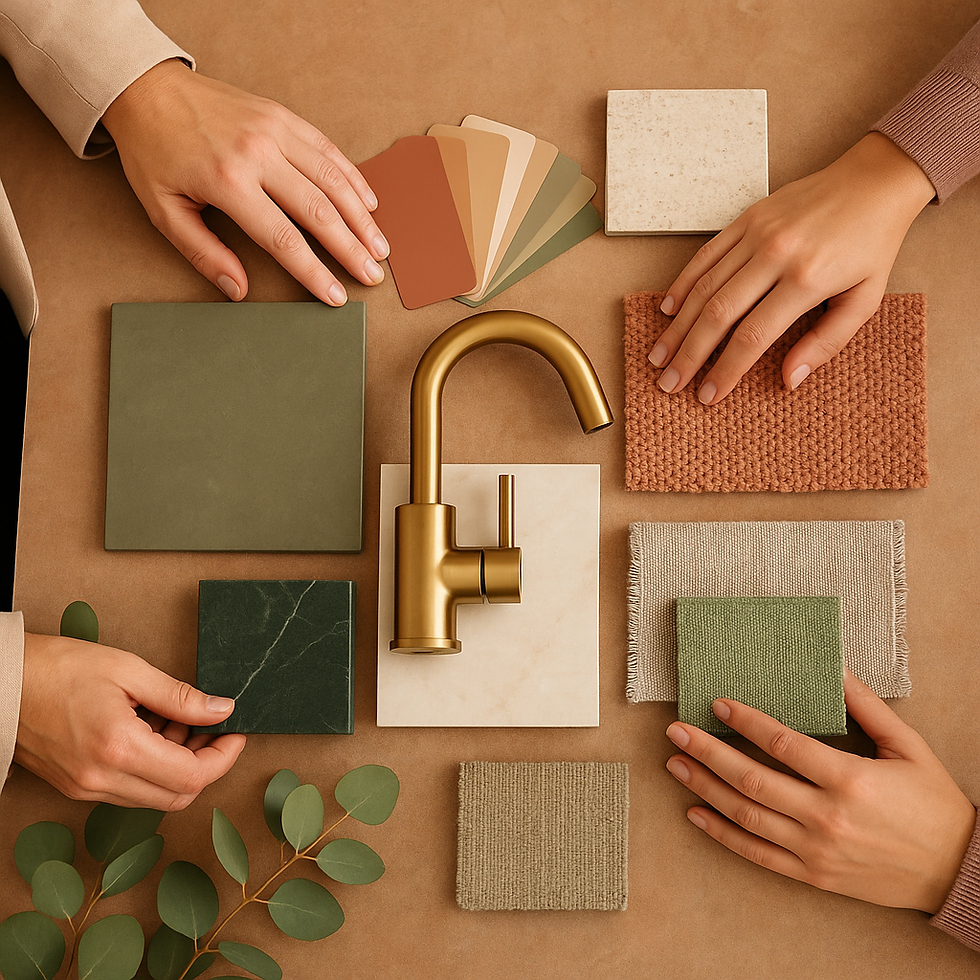
A well-designed space isn’t just about choosing the right colours and furniture—it’s also about balancing textures and finishes to create depth, contrast, and a harmonious aesthetic. The right mix can make a space feel rich and layered, while the wrong approach can result in a cluttered or uncoordinated look. Here’s how to get it right when mixing textures and finishes in your home.

1. Start with a Base Texture
Every room needs a foundation. Choose a dominant texture to set the tone—this could be natural wood flooring, a plush carpet, or a smooth painted wall. This base will help guide the selection of other materials and finishes.

2. Contrast Matte and Glossy Surfaces
Pairing matte with glossy elements creates a visually appealing contrast. For example:
- A matte wall finish paired with a glossy back-splash in the kitchen.
- A leather couch balanced by a high-shine metal coffee table.
- Velvet cushions against a sleek, polished wooden headboard.
3. Layer Different Fabrics
Mixing different fabrics adds warmth and depth to a space. Consider combining:
- Linen curtains with a wool rug.
- Silk throw pillows on a cotton or linen sofa.
- Faux fur accents over a leather armchair.

4. Balance Hard and Soft Elements
A room should have a mix of hard and soft materials to create a balanced feel. Too many hard surfaces can feel cold and uninviting, while too many soft elements may lack structure. Try:
- Adding woven baskets to a marble bathroom.
- Pairing a wooden dining table with upholstered chairs.
- Incorporating glass or metal accents in a room with soft textiles.

5. Stick to a Cohesive Colour Palette
While mixing textures and finishes, ensure they all work within a consistent colour scheme. Too many colours combined with different textures can create a chaotic look. Stick to 3–4 complementary colours to maintain cohesion.
6. Incorporate Natural Elements
Bringing in natural materials like wood, stone, and plants adds texture while keeping a space timeless and inviting. Consider:
- A live-edge wooden table with metal legs.
- Stone countertops paired with rattan barstools.
- Indoor plants to soften modern, industrial finishes.
7. Keep Proportions in Mind
If you’re using bold textures like chunky knit throws, reclaimed wood, or high-gloss lacquer, balance them with more subtle textures to prevent overwhelming the space. For example, if you have a textured feature wall, keep surrounding decor simple and refined.
Conclusion
Mastering the art of mixing textures and finishes requires a thoughtful approach, balancing contrast, cohesion, and proportion. By layering different materials intentionally, you can create a home that feels dynamic, inviting, and well-designed.
Need help curating the perfect mix of textures for your home?
Get in touch for expert styling advice!


Comments